Five years later, they were still running the systems I designed.
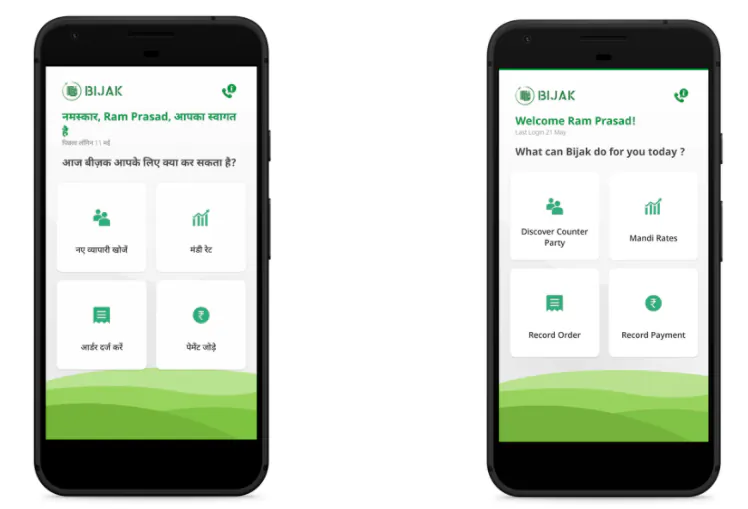
Bijak is a B2B marketplace that helps traders, wholesalers and food processors buy and sell agricultural commodities, track their transactions and find reliable trading partners across India.
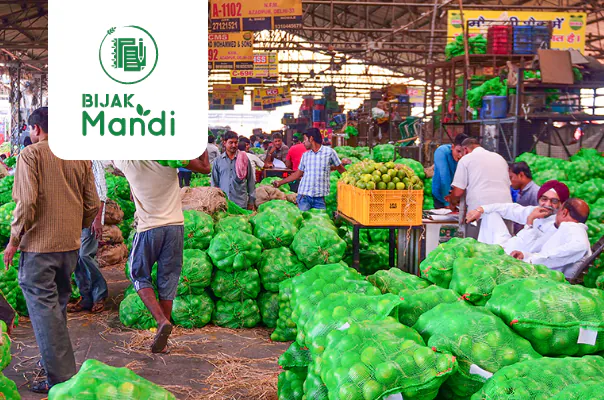
Built for the mandi, not the metro.
When I started working with Bijak in 2019, it was a seed-stage company whose core business had taken off over WhatsApp and was gaining users quickly. Jitender Bedwal, Bijak's co-founder and CTO, had built an early app in Flutter, but it couldn't scale with the business. Its users worked in mandis and on the road with low-end phones, patchy 2G–4G networks and batteries that went hours without a charge. Many used their phones mostly for calls and WhatsApp. Bijak needed an Android app rebuilt from the ground up that worked offline first, which at the time was an uncommon approach.
Started with the users, not the screens.
Before designing anything, we studied how mandi trade actually works: who the users were, how they paid, how credit and trust worked between traders, and whether the app would force them to change how they did business. It shouldn't.
Made the edge case the norm.
Poor connectivity and low battery weren't treated as exceptions. The app was designed around them. It stored all data locally, could be launched in aeroplane mode and worked anywhere, syncing when a connection was available.
Designed for first-time app users.
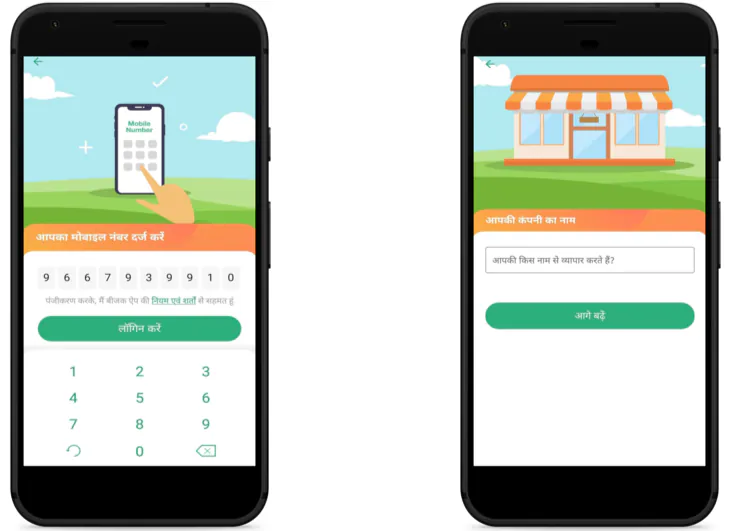
Users chose their language up front (Hindi or English). Every screen had a single input, and a custom numpad replaced typing wherever possible. Nothing on screen was meant to overwhelm someone unfamiliar with apps.
Brought offline trade online, without changing how people traded.
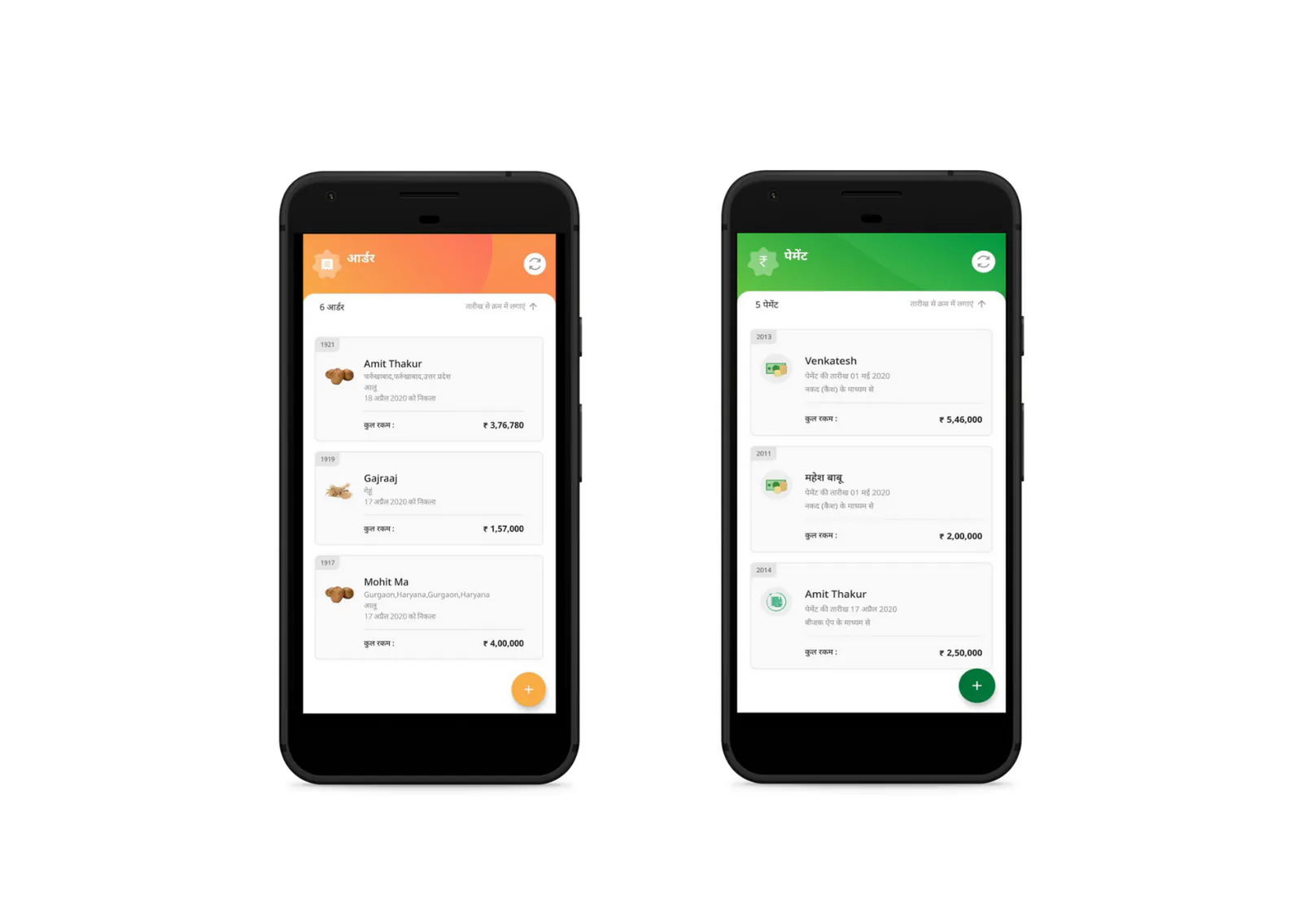
Traders could log payments and attach whatever proof they already had: handwritten slips, photos of invoices, photos of lorries, pages from their khatas. Bijak could verify these later. Over time, this built a record of each trader's reputation that the business could use to assess credit.
Built the engineering and product processes.
I set up how the team worked day to day. We shipped two releases every week and tested every build against the low-end devices our users actually had.